The material
3D Printer Filament
The plastic decides more about your first print than the machine does. Start with PLA, understand why, and know exactly when to move on.
By Scooter M. · Published · Last reviewed
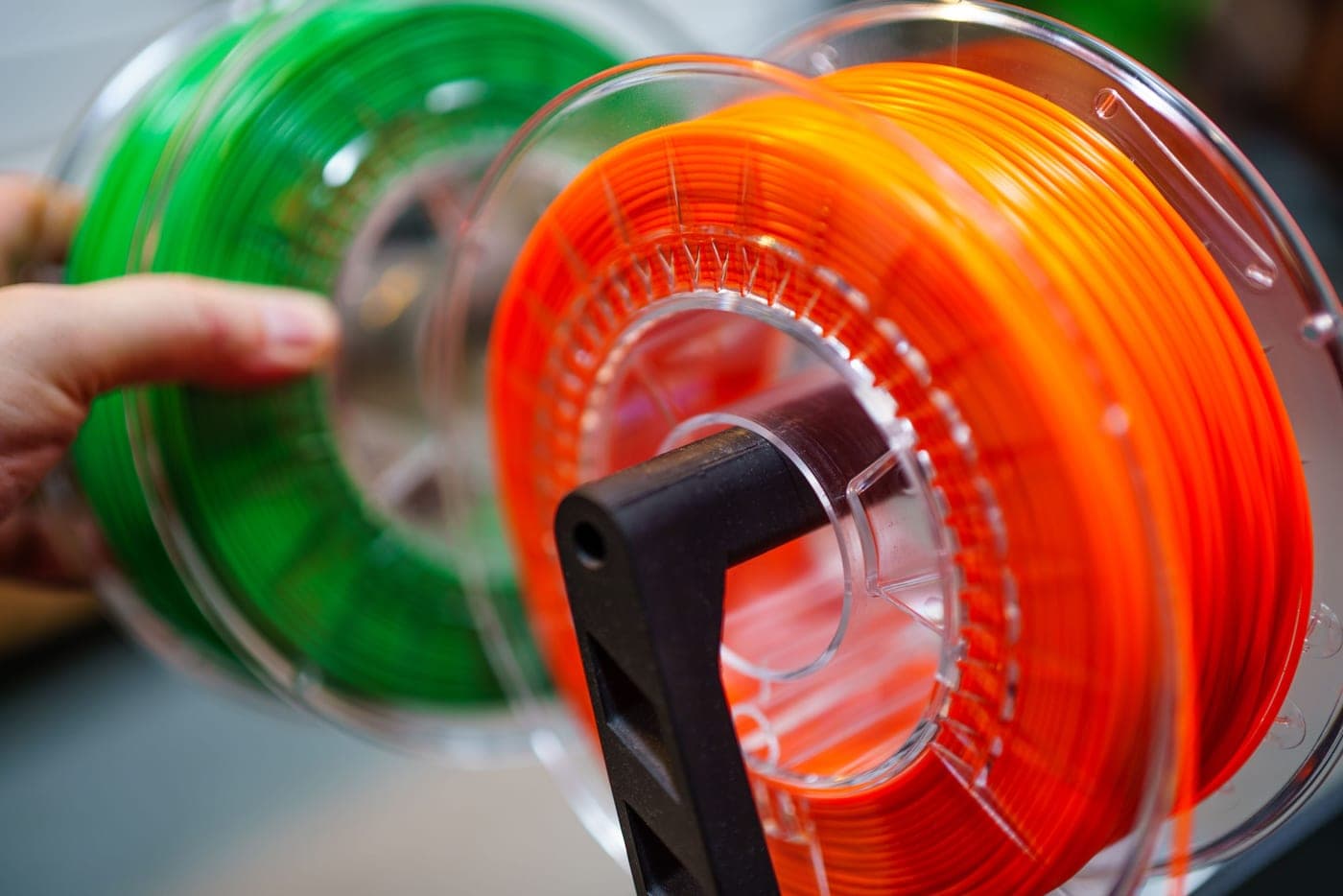
Buy PLA. Any mainstream 1 kg spool of it, in whatever color you like. That is the whole answer for your first month, and every source we read on beginner printing says the same thing. If you want a brand, our picks are here.
Why PLA and not something better
PLA is not the strongest plastic, or the most heat-resistant, or the one used for anything structural. It is the one that prints. It goes down at temperatures every printer can reach, it sticks to a plate that is barely warm, it does not shrink much as it cools, and it does not need an enclosure or a fume extractor. Almost every failure a beginner hits with a fancier material is a failure PLA would not have produced.
The plastics people move to next each solve one specific problem. PETG survives heat and flexes rather than snapping, which matters for anything that lives in a car or outdoors. TPU is rubbery, for phone cases and gaskets. ABS and ASA are for parts that need to take real heat, and both want an enclosure to stop them peeling off the plate as they cool. None of them is an upgrade in a general sense. Each is a trade.
The three numbers worth reading on a spool
Diameter and tolerance. Filament is 1.75 mm on almost every desktop machine sold today. The tolerance — usually quoted as plus or minus 0.02 or 0.03 mm — is how consistent that thickness is along the spool. A wide tolerance means the printer is pushing slightly more or less plastic than it thinks, which shows up as inconsistent surfaces.
The temperature range. Every reputable manufacturer publishes a nozzle range and a bed range. It is worth a glance because it tells you whether your machine can print it at all, and because the top of the range is where you go when layers are not bonding.
How it is packaged. Filament absorbs water out of ordinary room air. A spool that arrives vacuum sealed with a desiccant pack is dry when you open it; one that has been sitting in an open box may not be. Wet filament pops, strings and prints badly, and it is responsible for a large share of the failures beginners diagnose as machine problems. That is what the storage and drying page is about, and the best filament dryers covers the boxes worth buying once prevention has already failed on a spool you care about.
When you are ready for the second material
PETG is the step up, and it is bought for a stated reason: heat, sunlight, load, or a part that must not shatter. Three spools with published temperatures and tolerances are on the PETG page. If you want the answer narrowed to your own machine, we have one for the Bambu A1 series and one for the Ender-3 V3, each built around what the manufacturer publishes for that extruder.
The comparisons people actually search
Three questions come up more than any others once a first spool is finished. PLA against PLA+ covers whether the plus is worth paying for and what it does not buy. PETG against ABS is usually settled by whether your printer has an enclosure rather than by the plastic. And ABS against ASA comes down to one question: will the finished part ever sit in sunlight?
For parts that need to bend and spring back - cases, grips, gaskets - the material is TPU, and the best TPU filament covers three spools plus the reason standard TPU should not go through an AMS.
How this page is funded: the buy links below are affiliate links. If you buy through one we earn a commission, at no extra cost to you. It does not change the order of the picks or a word of what we say about them. Full disclosure.
Everything in this section
All Filament pages
Every tile carries its top pick, a live price and a buy link, so you never have to open a page to find one.
Best PLA
The Best PLA Filament
Three mainstream PLA spools compared on the figures their manufacturers actually publish.
$13.98 - Check price on Amazon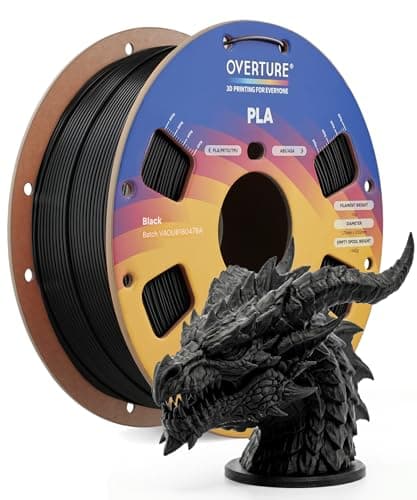 Top pick: Overture PLA
#ad Price as of October 19, 2026, from Amazon. Prices change. How we make money.
See our pick
PLA vs PETG
PLA vs PETG
PLA for almost everything, PETG for heat and flex — with the published numbers behind that answer.
$13.98 - Check price on AmazonFeatured: Overture PLA#ad Price as of October 19, 2026, from Amazon. Prices change. How we make money.
Read the page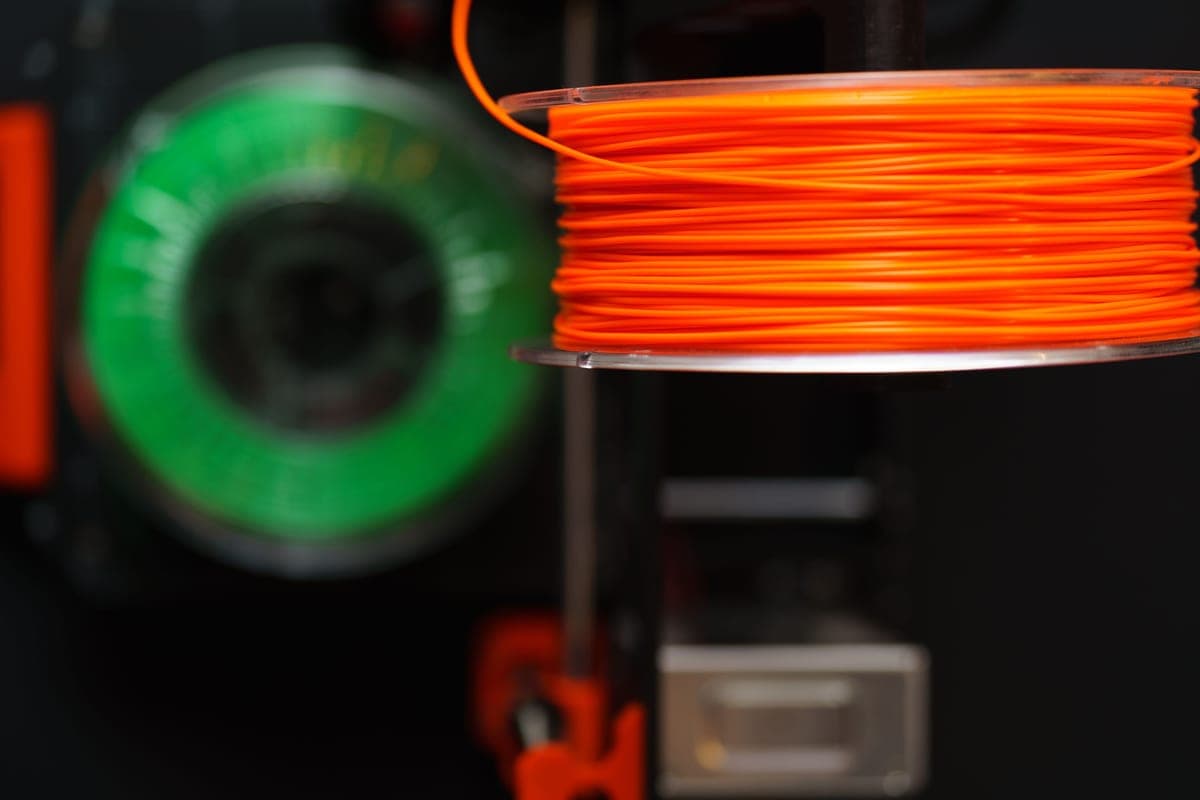
Guide
3D Printer Filament Types and What They Are For
Every common filament type, what it is for, and what it needs from your printer — in one table.
$13.98 - Check price on AmazonFeatured: Overture PLA#ad Price as of October 19, 2026, from Amazon. Prices change. How we make money.
Read the page
Best for Bambu A1
The Best Filament for a Bambu Lab A1 or A1 mini
What the A1 series is rated for, and whether the tagged house spool is worth the extra.
$25.81 - Check price on Amazon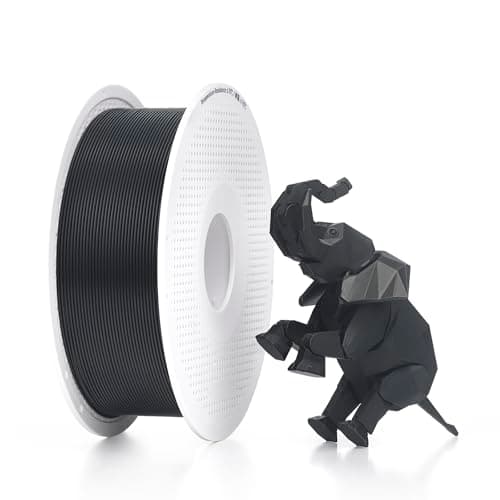 Top pick: Bambu Lab PLA Basic
#ad Price as of October 19, 2026, from Amazon. Prices change. How we make money.
See our pick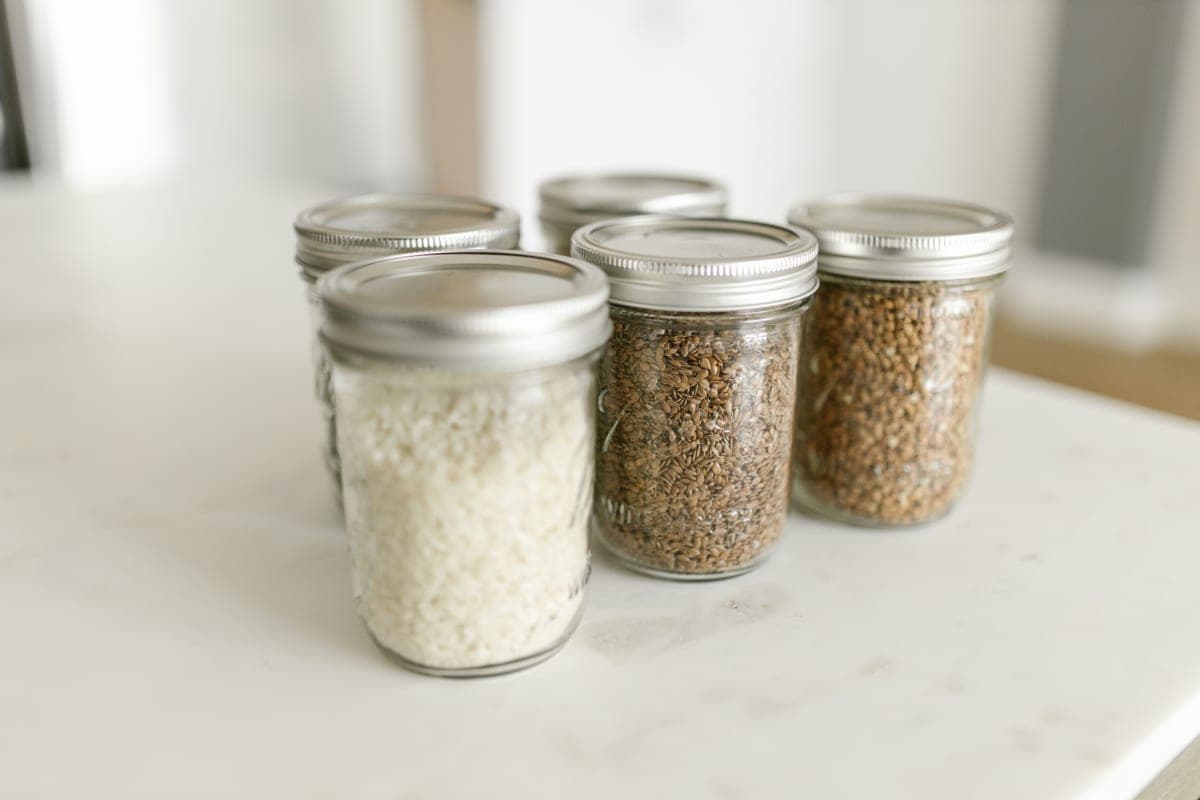
Storage and drying
Filament Storage and Drying
How to spot wet filament, how to store spools properly, and when a dryer earns its place.
$99.44 - Check price on Amazon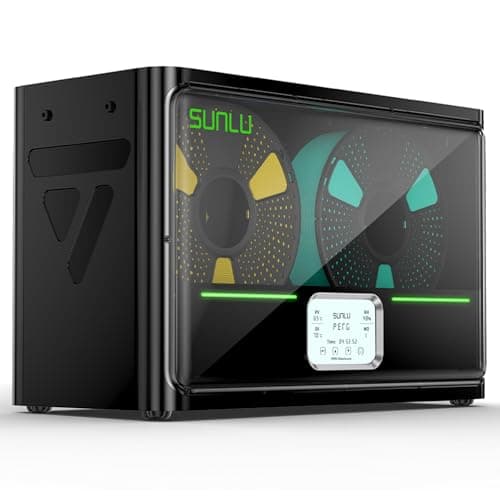 Featured: SUNLU FilaDryer S4
#ad Price as of October 19, 2026, from Amazon. Prices change. How we make money.
Read the page
Guide
What Filament Actually Costs Per Print
The one division that gives you cost per print, and the two settings that move it most.
$13.98 - Check price on AmazonFeatured: Overture PLA#ad Price as of October 19, 2026, from Amazon. Prices change. How we make money.
Read the page
Guide
How Long Does a Spool of Filament Last?
How many objects a kilogram really makes, and how long an open spool stays usable.
$13.98 - Check price on AmazonFeatured: Overture PLA#ad Price as of October 19, 2026, from Amazon. Prices change. How we make money.
Read the page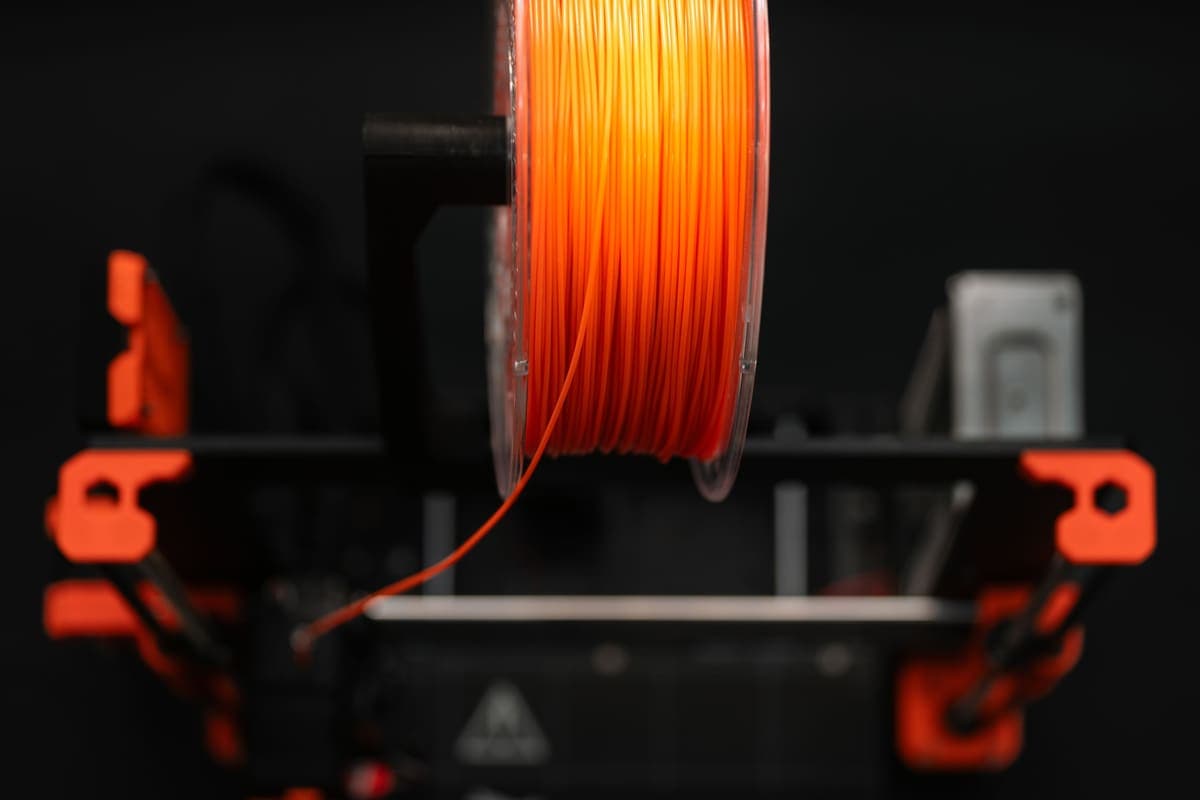
Best PETG
The Best PETG Filament
Three PETG spools on published figures, the three ways PETG behaves differently from PLA, and an honest note on who should stay on PLA.
$14.69 - Check price on Amazon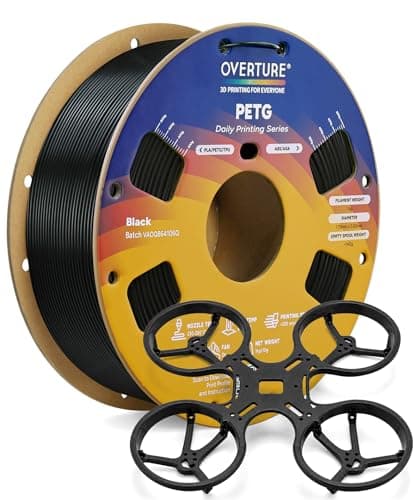 Top pick: Overture High Speed PETG
#ad Price as of October 19, 2026, from Amazon. Prices change. How we make money.
See our pick
Best for an Ender
The Best Filament for an Ender-3 V3
What Creality rates the Ender-3 V3 for, three spools that fit inside those limits, and the materials to leave alone.
$13.98 - Check price on AmazonTop pick: Overture PLA#ad Price as of October 19, 2026, from Amazon. Prices change. How we make money.
See our pick
Head to head
PLA vs PLA+
What the plus in PLA+ actually buys, what it does not, and when the extra money is worth spending.
$13.98 - Check price on AmazonFeatured: Overture PLA#ad Price as of October 19, 2026, from Amazon. Prices change. How we make money.
Read the page
Head to head
PETG vs ABS
The enclosure decides this one. Published temperatures and speeds compared, plus what each material is genuinely for.
$14.69 - Check price on AmazonFeatured: Overture High Speed PETG#ad Price as of October 19, 2026, from Amazon. Prices change. How we make money.
Read the page
Head to head
ABS vs ASA
Sunlight decides it. Published temperatures and speeds compared, and an honest note on who needs neither.
$24.49 - Check price on Amazon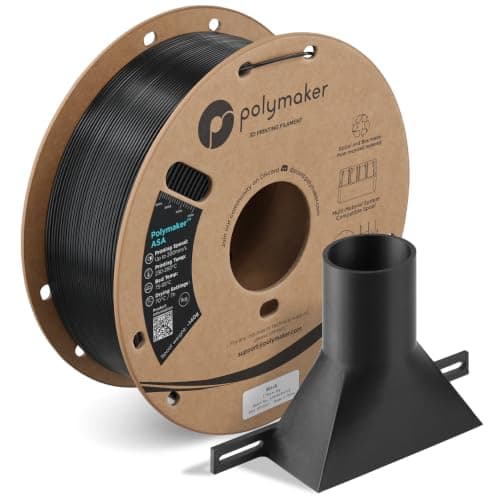 Featured: Polymaker ASA
#ad Price as of October 19, 2026, from Amazon. Prices change. How we make money.
Read the page
Best filament dryer
The Best Filament Dryers
Three dryers on published figures, what a dryer actually fixes, and the sealed box that prevents the problem for a fraction of the price.
$65.00 - Check price on Amazon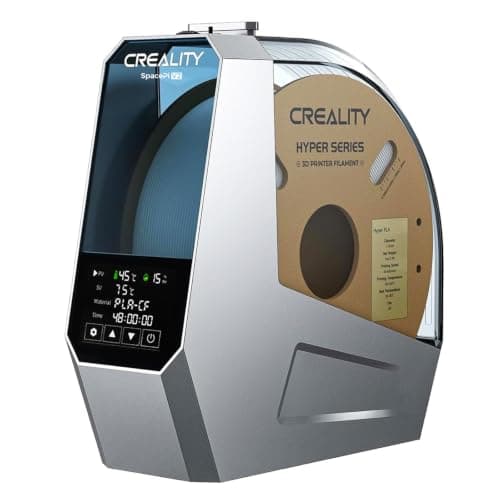 Top pick: Creality Space Pi Filament Dryer
#ad Price as of October 19, 2026, from Amazon. Prices change. How we make money.
See our pick
Best TPU
The Best TPU Filament
Three flexible spools on published figures, why TPU and multi-spool feeders do not mix, and when to wait before buying one.
$27.99 - Check price on Amazon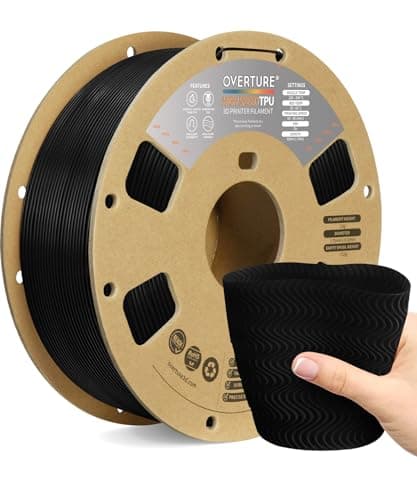 Top pick: Overture High Speed TPU 95A
#ad Price as of October 19, 2026, from Amazon. Prices change. How we make money.
See our pick
Best filament brand
The Best Filament Brands
Four brands compared on published tolerance, published print settings and packaging.
$13.98 - Check price on AmazonTop pick: Overture PLA#ad Price as of October 19, 2026, from Amazon. Prices change. How we make money.
See our pick
Best outdoor filament
The Best Filament for Outdoor Use
ASA for genuine UV resistance, PETG for open-frame printers, and why PLA and ABS both fail outside.
$24.49 - Check price on AmazonTop pick: Polymaker ASA#ad Price as of October 19, 2026, from Amazon. Prices change. How we make money.
See our pick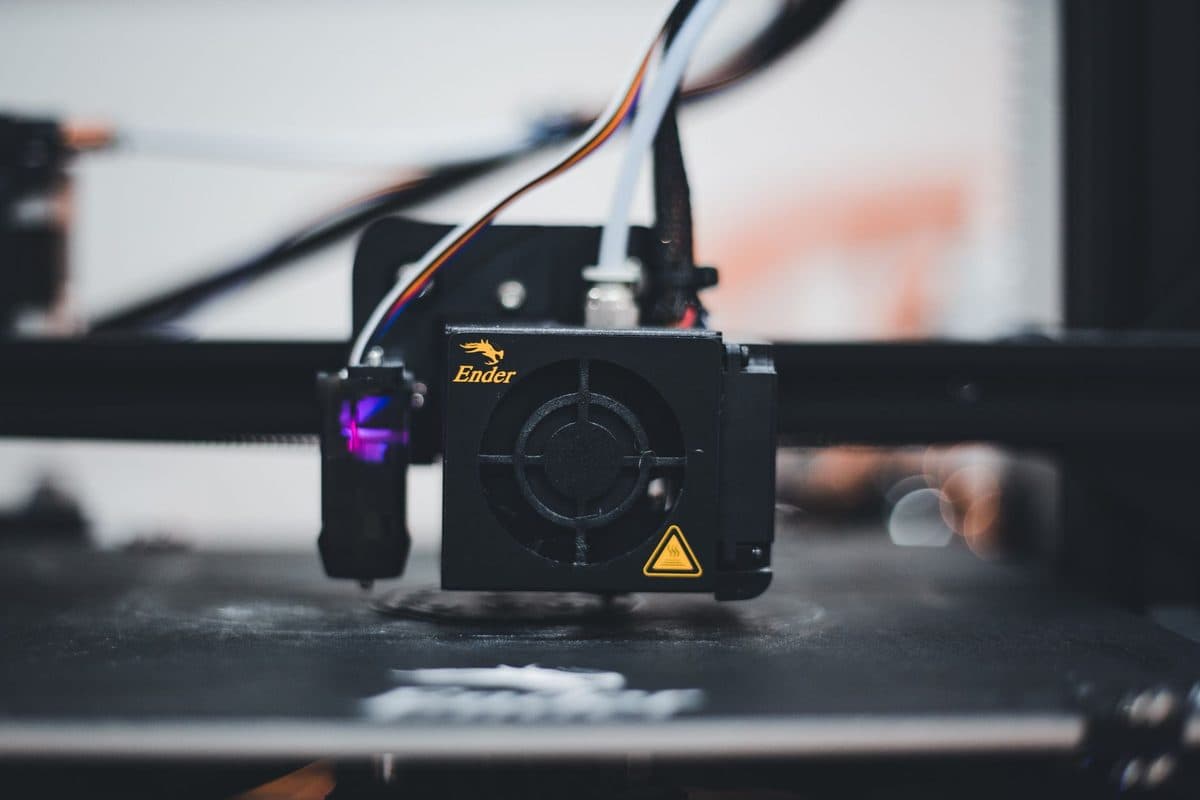
Best P1S filament
The Best Filament for the Bambu Lab P1S
Which spools suit an enclosed Bambu, what works in the AMS, and when to skip Bambu's own filament.
$25.81 - Check price on AmazonTop pick: Bambu Lab PLA Basic#ad Price as of October 19, 2026, from Amazon. Prices change. How we make money.
See our pick
Best miniature filament
The Best Filament for Miniatures
Three PLA spools for small detailed prints, plus where resin genuinely wins.
$19.99 - Check price on Amazon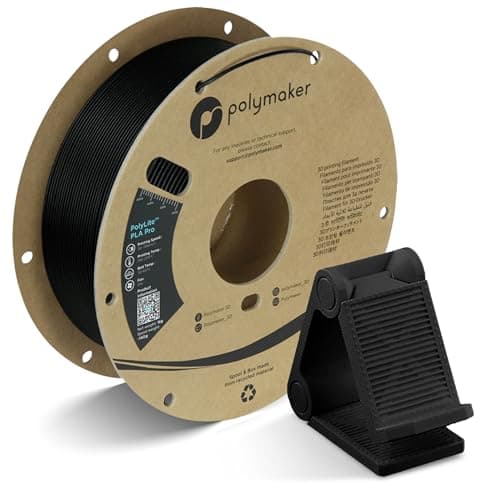 Top pick: Polymaker PolyLite PLA Pro
#ad Price as of October 19, 2026, from Amazon. Prices change. How we make money.
See our pick
Best ABS
The Best ABS Filament
Three ABS spools on published figures, the enclosure requirement, and why PETG is usually the better answer.
$16.99 - Check price on Amazon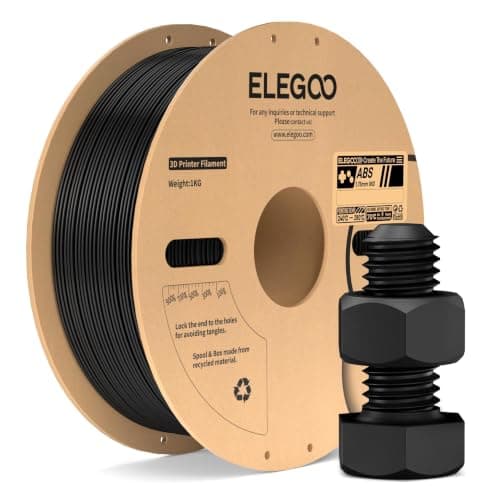 Top pick: Elegoo ABS
#ad Price as of October 19, 2026, from Amazon. Prices change. How we make money.
See our pick
Best glow filament
The Best Glow in the Dark Filament
Three glow spools on published data, the nozzle warning only one brand prints, and how to make a print actually glow.
$17.99 - Check price on Amazon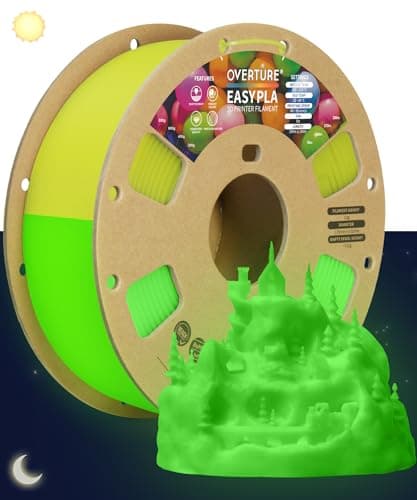 Top pick: Overture Glow PLA
#ad Price as of October 19, 2026, from Amazon. Prices change. How we make money.
See our pick
Best for food-contact prints
Is PLA Food Safe?
Three gates decide food contact, and the spool is only the first. What to print, what to buy, and what to buy ready-made instead.
$34.99 - Check price on Amazon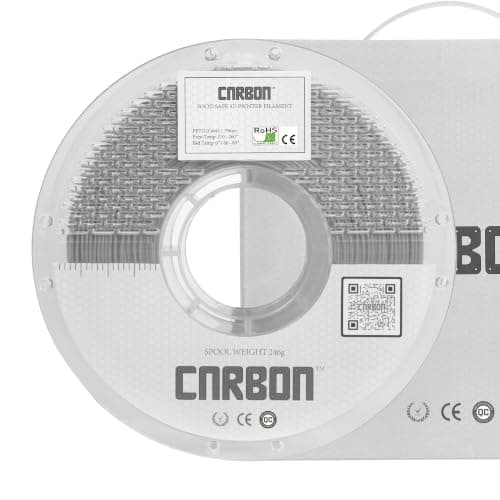 Top pick: Comfy Materials CARBON Food Grade PETG
#ad Price as of October 19, 2026, from Amazon. Prices change. How we make money.
See our pick
What decides the price of a spool
Very little of it is the plastic. Mainstream PLA from any of the well-known brands is chemically much the same; you are paying for consistency, for winding quality — a badly wound spool tangles and ruins a print eight hours in — and for whether the manufacturer publishes real data rather than marketing bullets. Specialist filaments cost more for genuine reasons: silk and matte finishes, carbon-fiber fill that needs a hardened nozzle, or a spool tag your printer can read.
Buying five kilograms of one color to save money per kilogram is a classic first-month mistake. You will change your mind about color, and filament degrades in an open room. Two spools is a sensible start.
How much a print actually uses
Less than people expect, which is the pleasant surprise of this hobby. Filament is sold by weight, your slicer tells you the grams before you press print, and the arithmetic is a division you can do in your head: spool price divided by 1,000, times the grams on the screen. We work that through with the numbers on what filament costs per print, and it feeds into the full first-month cost breakdown.
Where filament and failure meet
If a print stops sticking to the plate, the filament is the second thing to check, not the first — a dirty plate is more likely. But it is a genuine cause, particularly for PETG and particularly for a spool that has been open for a month. The bed adhesion page works through the causes in order of likelihood and cost, and the PETG section there is the one filament owners come back for.
Choosing by brand, by machine, or by job
Three other ways into this section, depending on how you are actually thinking about it. If the question is which company to trust, our filament brand comparison ranks four on what they publish rather than on reputation. If you own an enclosed Bambu, the P1S filament guide covers the materials that machine can print and the A1 cannot.
And if the part has a job to do, start there instead: filament for outdoor use explains why PLA fails in sunlight and ABS goes chalky, and filament for miniatures is honest about where a resin printer would beat any spool on this site.
The one material worth a warning before you buy it is ABS. It is the toughest and most heat-resistant thing most beginners consider, and it needs a genuinely enclosed printer to work at all. Our ABS roundup compares three spools and shows where their manufacturers openly contradict each other on speed and on whether an enclosure is required — which is the most useful thing to know before spending a kilogram finding out.
At the other end of the scale, the most fun spool on the site comes with its own warning. Glow in the dark filament is loaded with a hard mineral pigment — one of the three brands we compared publishes a hardened steel nozzle as a requirement, and the other two say nothing at all. Fit the nozzle, print it thick, and it is the cheapest delight a beginner can get out of a printer.
One question gets asked more than every other filament question put together, and the answer is not the one people expect: is PLA food safe? Overture states on its own site that its PLA is not certified for food contact, and the spool turns out to be the least of it — the brass nozzle your printer shipped with and the porosity of a layered surface are the two gates almost nobody closes. That page sorts kitchen projects into the ones that are genuinely fine (cookie cutters, lined molds, dry scoops, holders and racks) and the ones to buy ready-made instead, and it names the one spool in our registry whose maker publishes third-party food-contact testing.