The decision
Is a 3D Printer the Right Tool?
Three comparisons for people who have not decided yet. Each one gives an answer in the first sixty words and then shows the working.
By Scooter M. · Published · Last reviewed

Three comparisons, for the decision that comes before the purchase. Each of these pages gives a committed answer in the first sixty words and then shows the reasoning, because the thing that sends people to forums about this question is that almost every published guide hedges and none of them will say which one to buy.
The short version of all three
3D printer against a CNC router. A printer adds material, a router removes it. If the thing in your head is a shape with detail and curves and you do not much care what it is made of, you want a printer. If it must be wood or aluminum and it must be strong, you want a router — and you also want dust extraction, hearing protection and considerably more space.
3D printer against a laser cutter. A laser works in two dimensions on flat sheets, extremely quickly. A printer works in three, slowly. If your projects are boxes, panels, signs and engraved things, a laser will make them in minutes and a printer will make them badly in hours. If your projects have depth, it is the other way round.
Filament against resin. Resin resolves detail no nozzle can approach, which is why the miniature-painting world runs on it. It also brings gloves, ventilation, isopropyl alcohol, a curing step and a disposal problem. For a first machine, filament, unless your answer to “what will you print” is already “miniatures.”
Why these are the cheapest questions to answer well
They are also the least fought over. Every purchase term in this category carries near-maximum advertiser competition; these comparison terms carry a fraction of it, and the searcher is genuinely undecided rather than shopping. That combination — real intent, thin competition, a question the field refuses to answer directly — is why this section exists at all despite being the smallest one on the site.
One of those comparisons is not against another workshop machine at all. A 3D printer against a Cricut is the decision a lot of gift buyers are actually making, and it resolves faster than the others: one machine cuts flat material, the other builds objects that have a third dimension.
How this page is funded: the buy links below are affiliate links. If you buy through one we earn a commission, at no extra cost to you. It does not change the order of the picks or a word of what we say about them. Full disclosure.
Everything in this section
All Comparisons pages
Every tile carries its top pick, a live price and a buy link, so you never have to open a page to find one.

Filament vs resin
FDM vs Resin: Which 3D Printer Should You Buy?
Filament first, unless you specifically want miniatures — with the full workflow cost of resin.
$249.00 - Check price on Amazon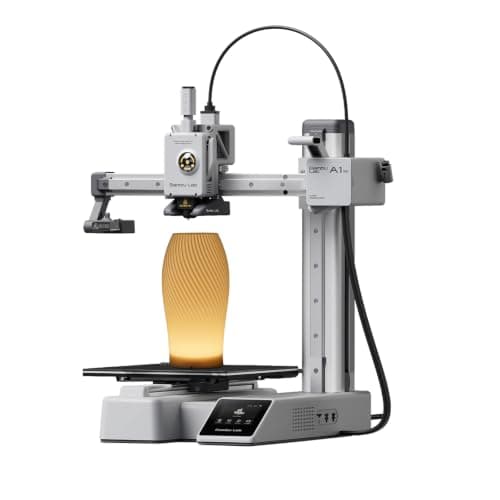 Featured: Bambu Lab A1 mini
#ad Price as of October 19, 2026, from Amazon. Prices change. How we make money.
Read the page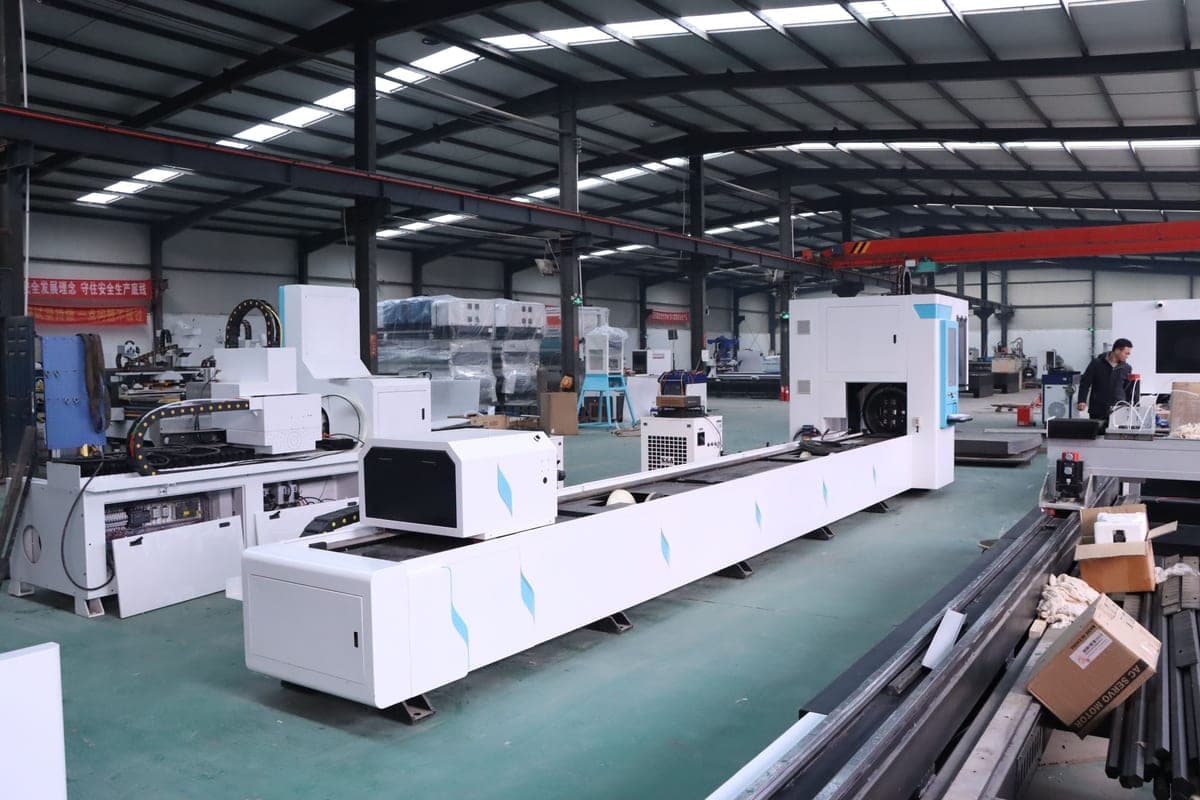
3D printer vs CNC
3D Printer vs CNC Machine
Additive against subtractive: which fits your projects, and what each demands in space and dust.
$249.00 - Check price on AmazonFeatured: Bambu Lab A1 mini#ad Price as of October 19, 2026, from Amazon. Prices change. How we make money.
Read the page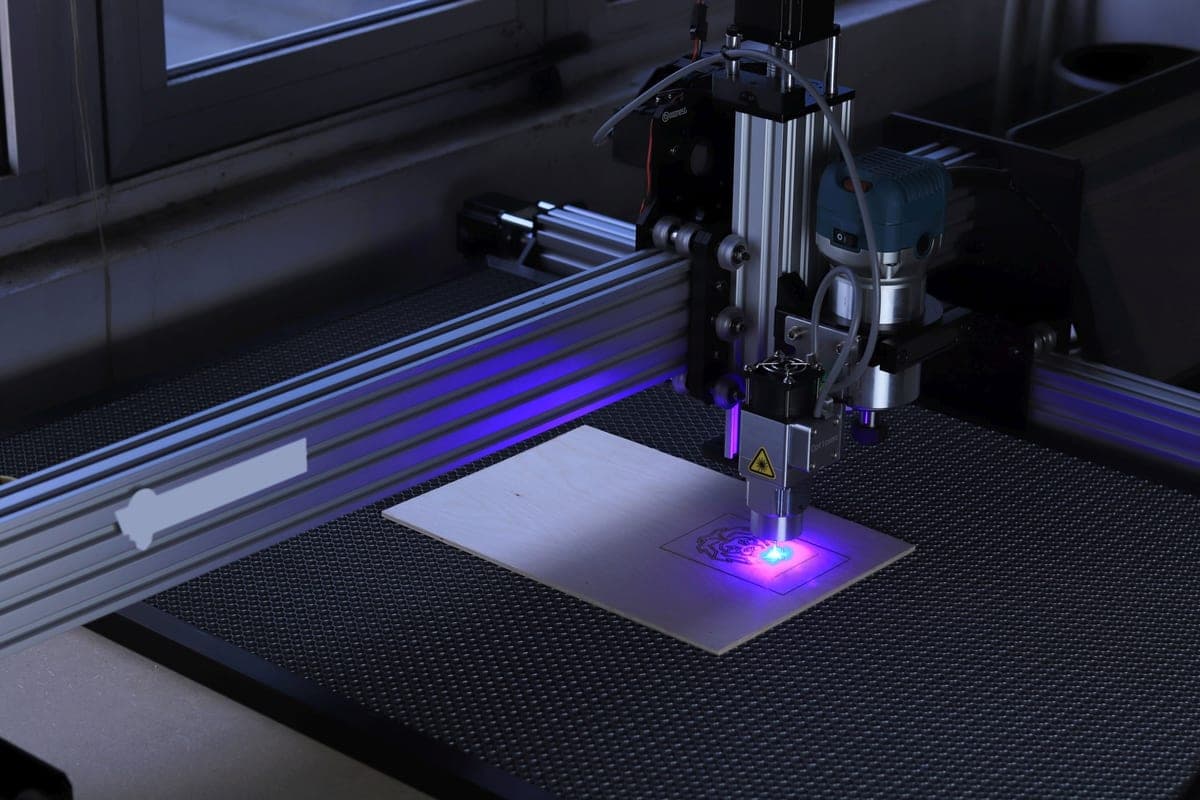
3D printer vs laser
3D Printer vs Laser Cutter
Two dimensions fast against three dimensions slow — and the ventilation a laser really needs.
$249.00 - Check price on AmazonFeatured: Bambu Lab A1 mini#ad Price as of October 19, 2026, from Amazon. Prices change. How we make money.
Read the page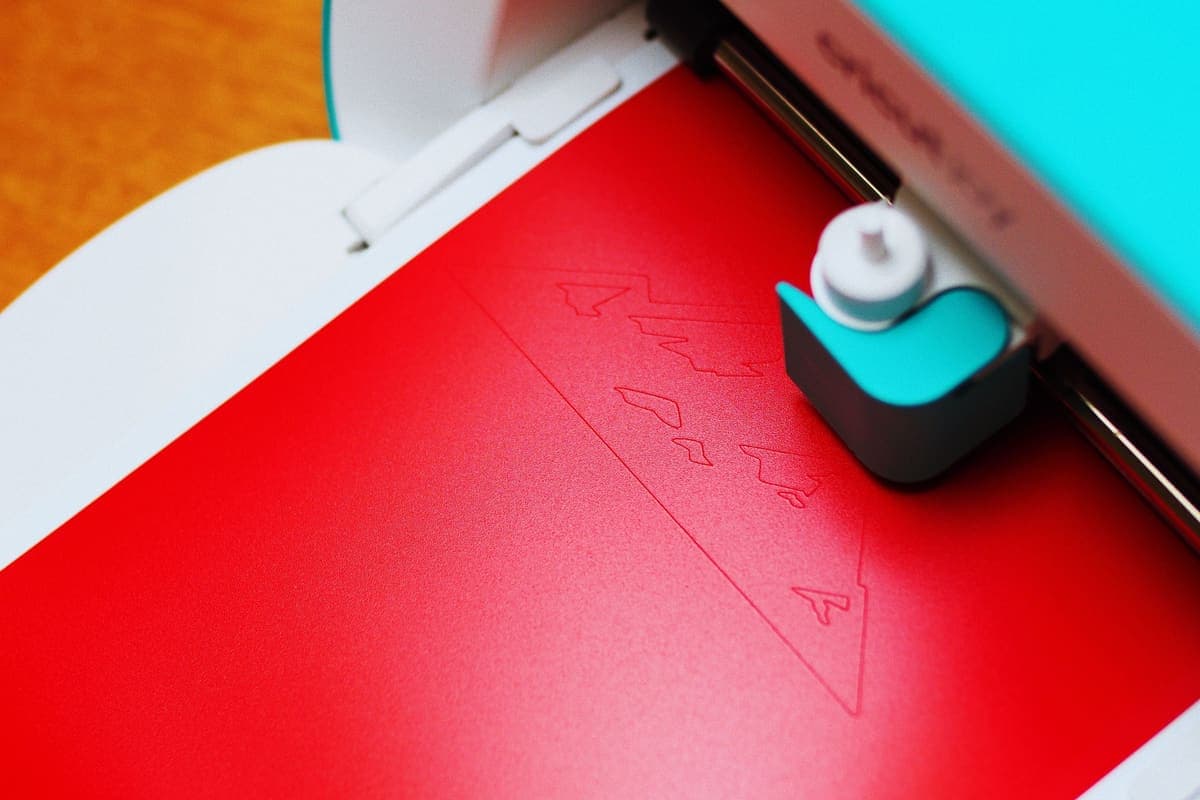
Head to head
3D Printer vs Cricut
Two craft machines that do genuinely different jobs, and a straight answer for the gift buyer who cannot decide.
$249.00 - Check price on AmazonFeatured: Bambu Lab A1 mini#ad Price as of October 19, 2026, from Amazon. Prices change. How we make money.
Read the page
The question underneath all three
What are you making? Not in general — specifically, the next three objects. People choosing between fabrication tools almost always describe the capability they want rather than the object they want, and capability is the wrong end to start from. “I want to be able to make anything” picks a bad tool every time. “I want a replacement knob for the dishwasher, a stand for my headphones and some tabletop terrain” picks the right one in about four seconds.
What none of these comparisons is about
Print quality, mostly. All three tools produce good results on the work they are suited to and bad results on work they are not, and no amount of tuning changes which is which. A laser will never make a headphone stand. A filament printer will never resolve a miniature the way resin does. A CNC router will never make a nested articulated thing. The comparison that matters is fit, not quality.
Cost is the second thing these pages are not really about. The machines occupy similar bands. What differs enormously is the running cost and the space cost — a router needs extraction and somewhere the noise does not matter, and a resin printer needs ventilation and a washing station. A filament printer needs a shelf.
If you have already decided
Go to the beginner printer picks. If you are still weighing whether to buy anything at all, is a 3D printer worth it is the page that includes the honest case against, which is the part most guides leave out.